You step out of the shower, dry off, and within a few minutes your skin feels tight across the shins and forearms. It is one of the most common complaints we hear across the counter in our Winnipeg shop, and it is usually not a sign that you need a stronger product. It is a sign that the water left before anything was there to hold it in.
That is the job body oil does, and the reason timing matters more than almost anything else about it.
Why damp skin is the whole trick
Most people apply body oil to skin that has already dried. It still feels pleasant, but a good part of the benefit has gone by then.
A warm shower leaves a thin layer of water on the surface of your skin. Oil cannot add water, but it can slow how quickly that water leaves. Applied to skin that is still slightly damp, body oil sits over the moisture and keeps it there. Applied twenty minutes later to dry skin, it is a conditioning layer over an already dehydrated surface.
So the single most useful change most people can make is not which oil they buy. It is applying it within a minute or two of towelling off, while the skin is still cool and faintly damp.
What to look for in a body oil
The ingredient list tells you most of what you need to know, and it is usually short.
- Carrier oils you can pronounce. Sunflower, jojoba, sweet almond, apricot kernel, grapeseed, avocado. These are the oils doing the work.
- How quickly it sinks in. Lighter oils such as grapeseed and jojoba absorb faster and suit anyone who has to get dressed immediately. Heavier oils such as avocado and olive sit longer on the surface, which is what you want in deep winter or overnight.
- A short list rather than a long one. A body oil does not need twenty ingredients. If the label runs long, most of what is added is there for scent, colour or shelf life rather than for your skin.
- Fragrance, declared. Scent is fine. Scent you cannot identify on the label is worth asking about, particularly if your skin reacts easily.
Every Pure Wash product lists its full INCI ingredients, which is the naming system cosmetics use internationally. It is on the bottle and on every product page, so you can read it before you buy rather than after.
How to use body oil after a shower
- Finish your shower slightly cooler than feels luxurious. Very hot water strips more of the skin's own oils, which is often what starts the tightness in the first place.
- Pat dry, do not rub. You want the skin damp, not wet and not bone dry. A towel pressed rather than scrubbed leaves exactly the right amount.
- Warm a small amount between your palms. Three to five pumps covers most adults head to toe. Oil goes further than people expect, and using too much is the usual reason it feels greasy.
- Work from the ankles up. Shins, knees, elbows and forearms are where skin is thinnest and where tightness shows first, so start there while you have the most product on your hands.
- Give it two minutes before dressing. Oil applied to damp skin absorbs quickly, but not instantly. Brush your teeth, and by the time you are done it has sunk in.
Body oil or body lotion — which is better?
This is the question we are asked most, and the honest answer is that they do different jobs and a lot of people are better off with both.
Lotion contains water. It adds moisture and then seals some of it in, which makes it the easier everyday choice and the better option if you dislike any slip on the skin at all.
Body oil contains no water. It cannot add moisture, only hold on to what is already there — which is exactly why it works best on damp skin straight out of the shower, and why it disappoints on dry skin.
Body butter and tallow cream sit at the heavier end. They are slower to absorb and better suited to hands, heels, elbows and very dry patches than to a whole body on a work morning.
If your skin feels tight within minutes of a shower, oil on damp skin is usually the fastest fix. If it feels dry all day regardless of showering, a lotion morning and night will do more. In a Prairie winter, plenty of people use oil after the shower and a cream on hands and shins at night, and that combination handles most of it.
Shower oil and body oil are not the same thing
A shower oil is used in the shower, in place of or alongside a body wash. It cleanses, leaves a light conditioning film, and rinses off.
A body oil is used after, on damp skin, and is meant to stay.
They are easy to mix up because the bottles look similar and the names are close. If the label gives directions for rinsing, it is a shower oil. If it tells you to massage it in, it is a body oil.
A note on Prairie winters
We make our products in Winnipeg, where the air outdoors sits well below freezing for months and the air indoors is dried out by heating. That combination is harder on skin than most people expect, and it is the reason the tight-skin question turns up far more often in January than in July.
Two things help more than changing products. Turn the shower down a little, and apply something while the skin is still damp. Everything else is a refinement on those two.
What we make
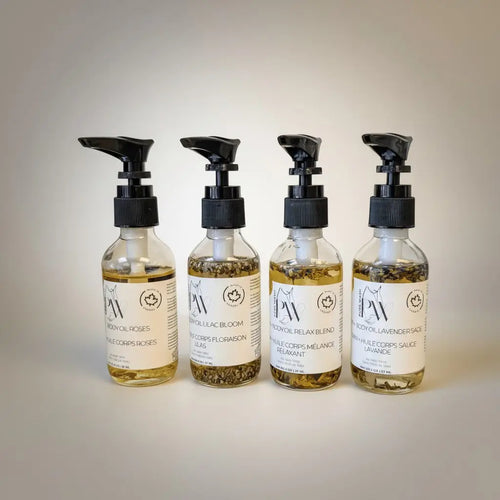
Our Bath and Body Oil is made in small batches in our studio on Ness Avenue and comes in four scents, with the full ingredient list on every bottle. It can be used after a shower on damp skin, or added to a bath.
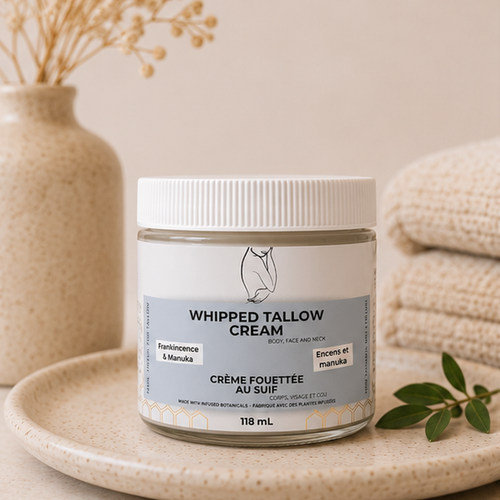
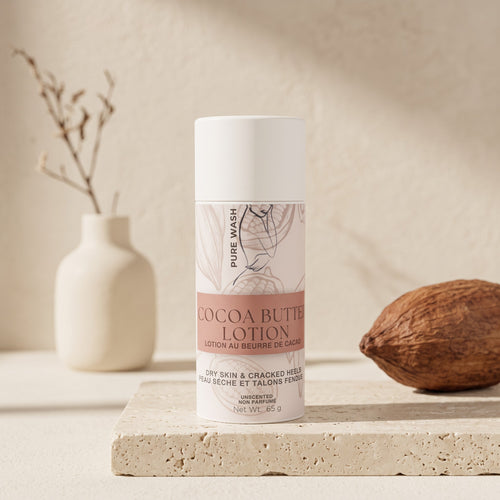
If you would rather have something heavier, our Tallow Cream and Body Butter cover the drier end, and the body care collection has the lotions and lotion bars in between.
If you are in Winnipeg, you are welcome to come and feel the difference between them on the back of your hand before you decide. That is a much better test than any description we could write.